Education comprises a major activity axis of HERON CoE. Education is conceived in a wide sense as part of the general ecosystem rationale of HERON. Our vision includes organizing seasonal schools, industry-oriented training courses and webinars by prominent scientists as well as junior researchers to present novel and impactful results. A major focus extends in funding internships at the Ph.D and postdoctoral levels as well as the development of courses and online lectures related to Robotics and AI.

Besides research and industry-oriented education, HERON puts emphasis on STEM education activities, addressing preuniversity students, which include visits to schools and visits of schools to the HERON premises. Organizing hackathons at various education levels also lies at the heart of our educational goals.

Finally, in an era where Robotics and AI spread fast and embrace all aspects of our social life, HERON plans a series of events, such as talks, interviews, panel discussions and videocasts to inform the public on issues related to technology ethics and the social implications of the new technologies that spring from the AI and Robotics disciplines.

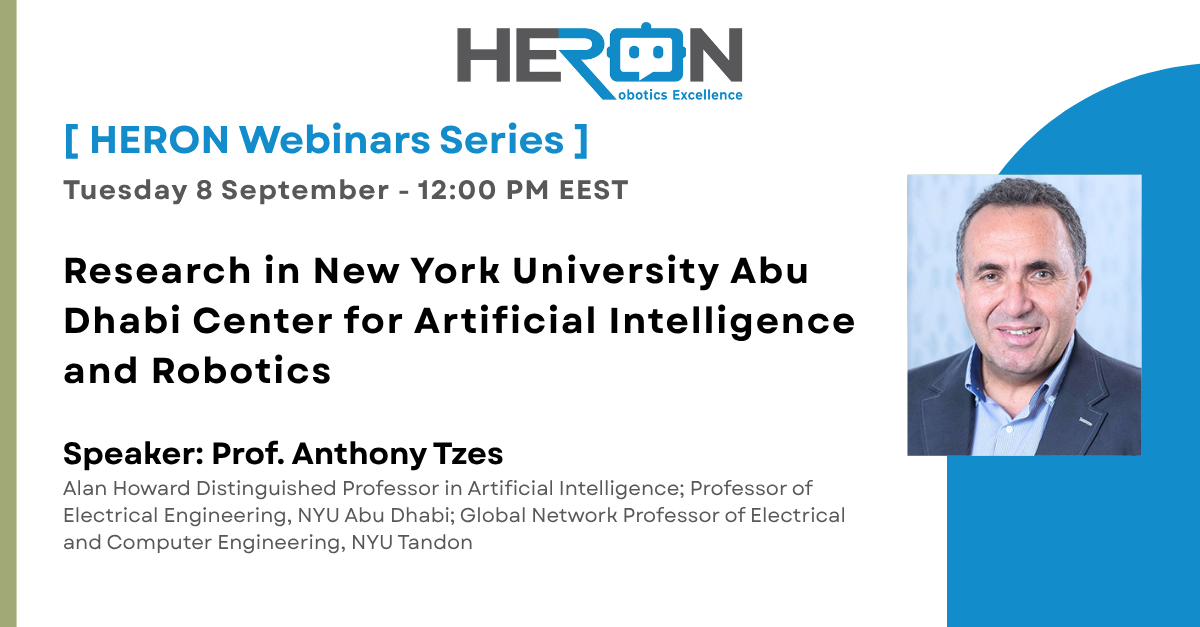
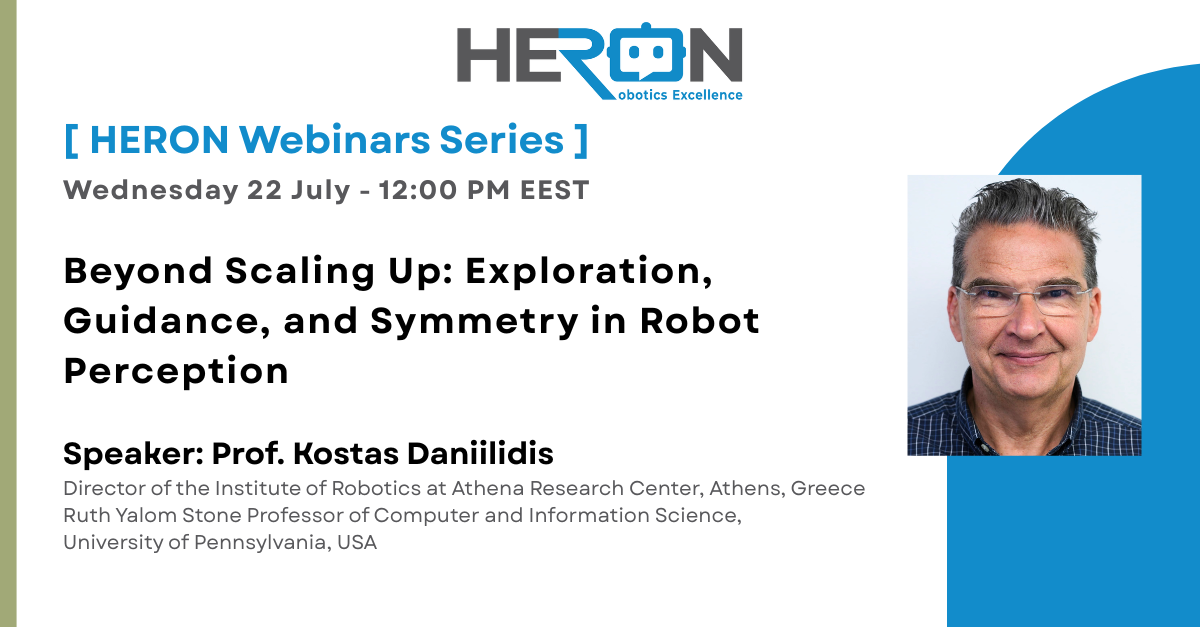
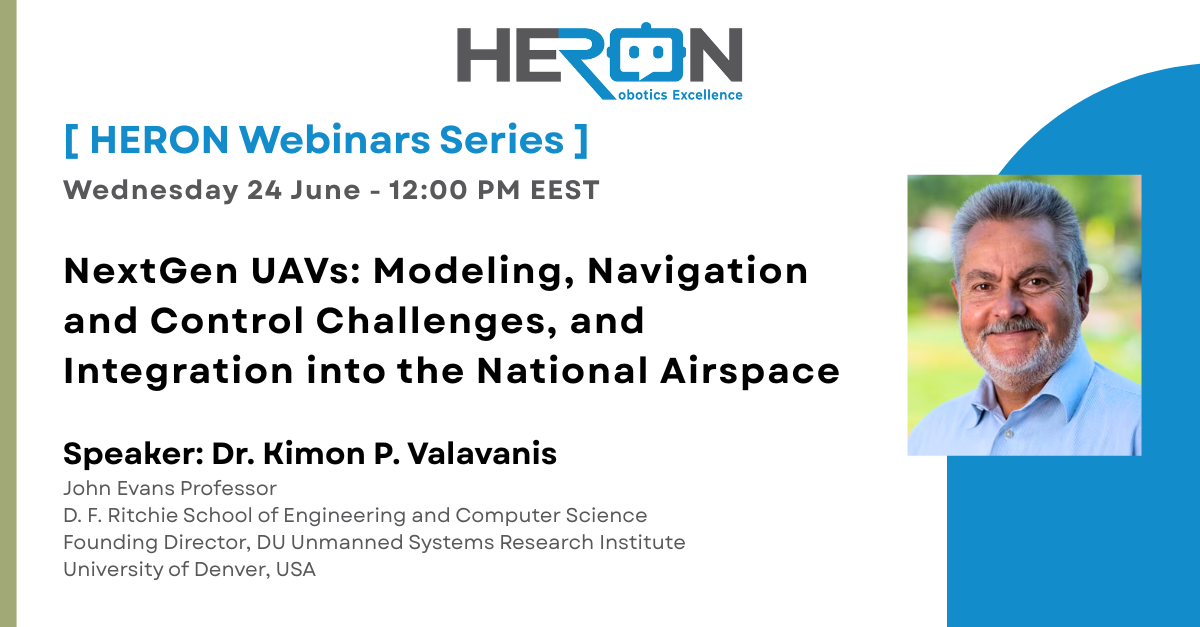
Thematic research talks comprise a major direction of the HERON ecosystem. The goal is to hold, on average, one talk per month. The emphasis will be on online talks/webinars, although from time to time talks with physical presence may be held.

The goal of the talks is to invite as speakers world-class scientists/engineers, from Academia as well as from the industrial sector, to give lectures on topics that are at the heart of HERON’s activities.

Talks are recorded, after agreement with the speaker, and in the sequel are uploaded to HERON’s site and Heron’s YouTube channel

Pre-university and STEM education are of major interest to the HERON ecosystem. Our goal is to inspire young pupils and cutivate their interest in the areas of Robotics and AI. However, there is a second “hidden” dimension. Children of the younger generation get familiar with the AI-related technologies from a very early age and often develop an attitude of a “mystical” dependency on this technology. One of our goals is to “open up”/“demystify” that black-box approach. The younger generation must not only learn how to use this technology but, at the same time, to understand what is inside the “black-boxes”.

There is a number of activities that fall under, and embrace, the previous rationale. Heron organizes Hackathons that combine lecturing sessions on Robotics and AI with related hands-on sessions.

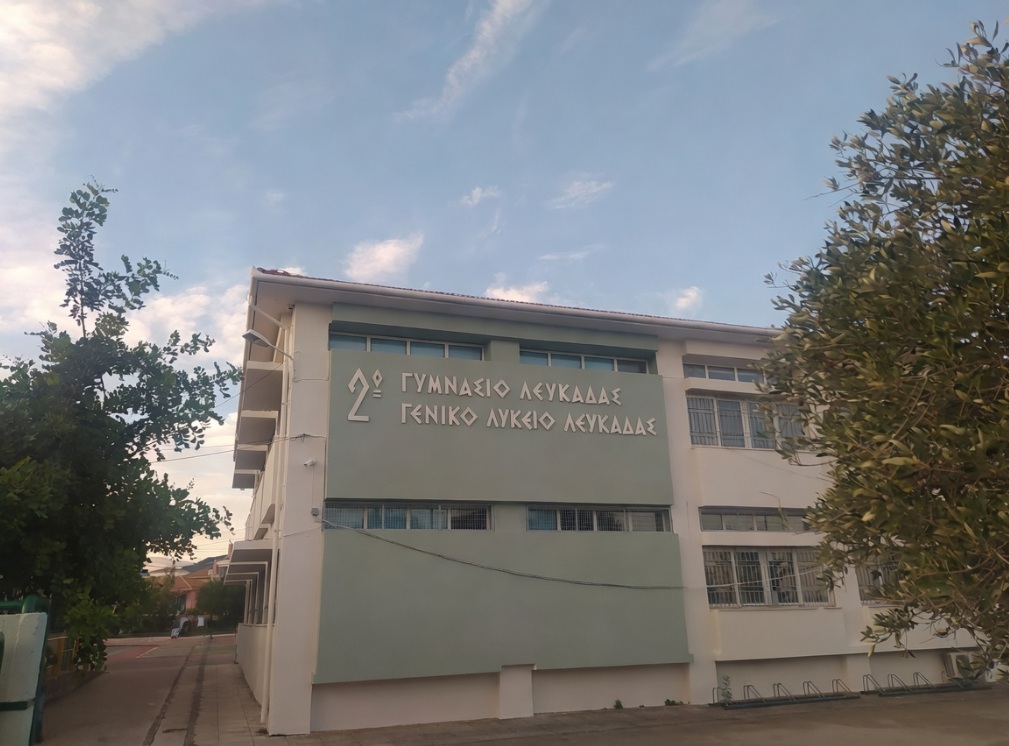
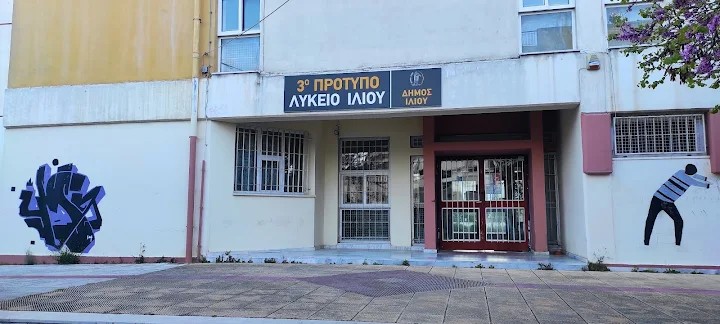
Also, HERON organizes visits to schools where members of HERON introduce pupils to the basics of Robotics and AI, as well as to related social implications of these technologies.

During the visits outside Attica, talks to the public are also organized with the aim to inform the public about the new technologies, the benefits as well as the challenges that may emerge from their blind use.

Hackathons

School Visits in Regional Greece

School visits in Attica Region

Other activities

HERON has established an internship program as a key instrument for talent attraction for contributing to the development of the next generation of robotics researchers and engineers. The program encompasses both international mobility internships, hosting students from foreign universities within HERON laboratories, and national internships targeting undergraduate students enrolled at Greek universities. Together, these actions contribute to HERON’s objectives of strengthening its human capital, fostering international exchange, and building a sustainable pipeline of qualified researchers within the Greek robotics ecosystem.

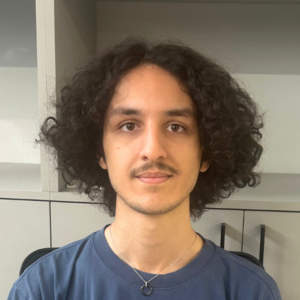
Aksil Mammar

Student engineer at Centrale Méditerranée (France). He has been undertaking an internship from February 2nd to July 30th, 2026 (26 weeks), under the scientific supervision of Dr. Athanasia Zlatintsi and Prof. P. Maragos. The project, entitled “Computer-based Data Processing and Machine Learning”, focuses on music signal processing and the application of machine and deep learning methods to music-related technologies, with extensions toward musical robotics; that is, exploring how music-driven models can support social robots in perceiving and reacting to audio cues, thus becoming more socially engaging and musically aware.
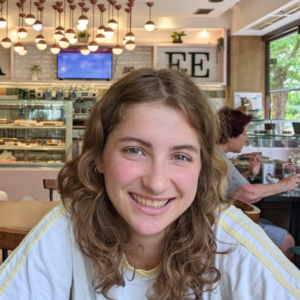
Sophia Voulgaris

Electrical engineering student at Clemson University (USA). She has been undertaking an internship from May 18th to August 18th, 2026 (approximately 13 weeks), under the scientific supervision of Dr. Katerina Papadimitriou and Prof. P. Maragos. The project, entitled “Sign Language Recognition for Human-Robot Interaction”, aims to develop a real-time sign language recognition pipeline combining hand pose estimation with gesture classification, integrated into the TIAGo robot platform to enable the robot to interpret sign language gestures and produce appropriate behavioural responses. The internship involves working with both openly available annotated datasets and in-house collected data, exploring different modelling approaches, and evaluating system performance under realistic conditions, thus offering hands-on experience across the full development cycle, from data collection and model training to real-world deployment on a robotic platform.
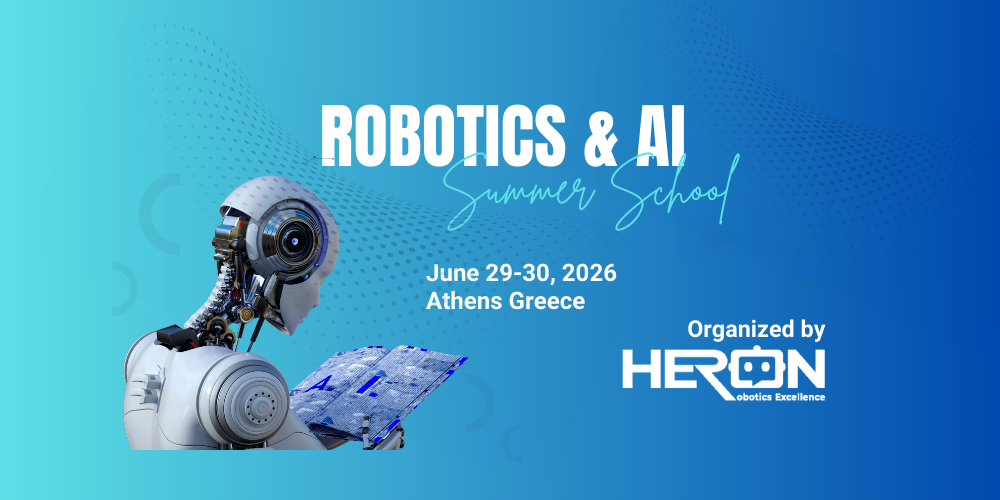
Seasonal Schools are at the heart of HERON’s educational and training activities. Our primary goal is to offer the opportunity to researchers and professionals to learn current trends in cutting edge research topics in Robotics and AI. HERON’s seasonal schools involve lectures as well as hands-on sessions offered by world class scientists and engineers, with the aim  to foster learning and accelerate skill developments.

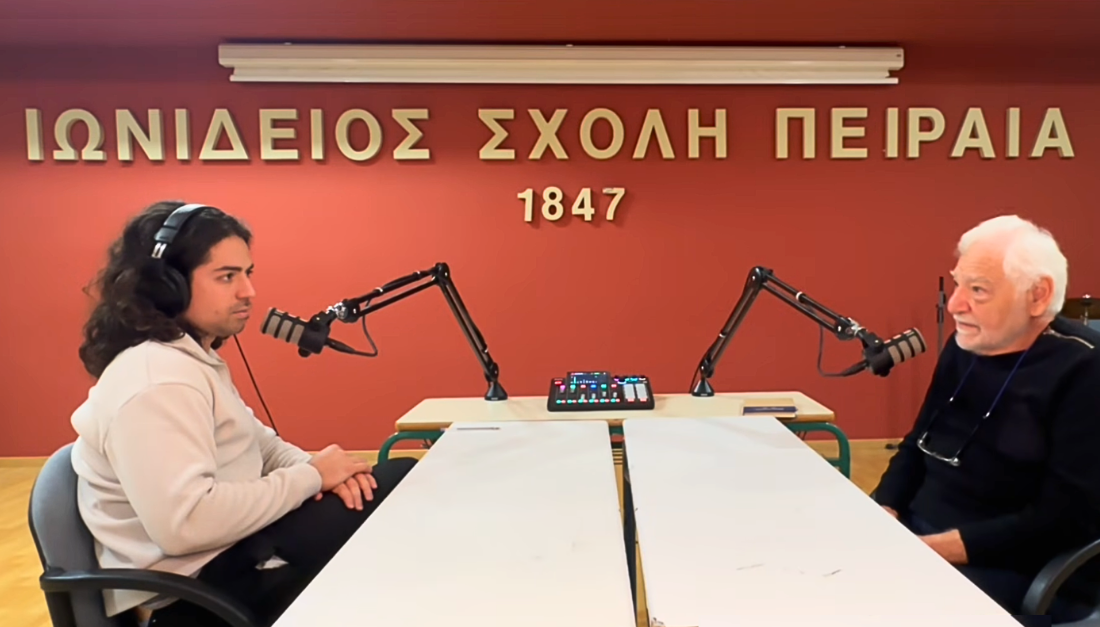
Podcsats and Vidcasts are major means of education, usually addressing the needs of the public to be informed on Technology and the associated social implications. Members of HERON are active in participating in such podcasts and one of HERON’s educational and communication activities is to create its own series of such events.